
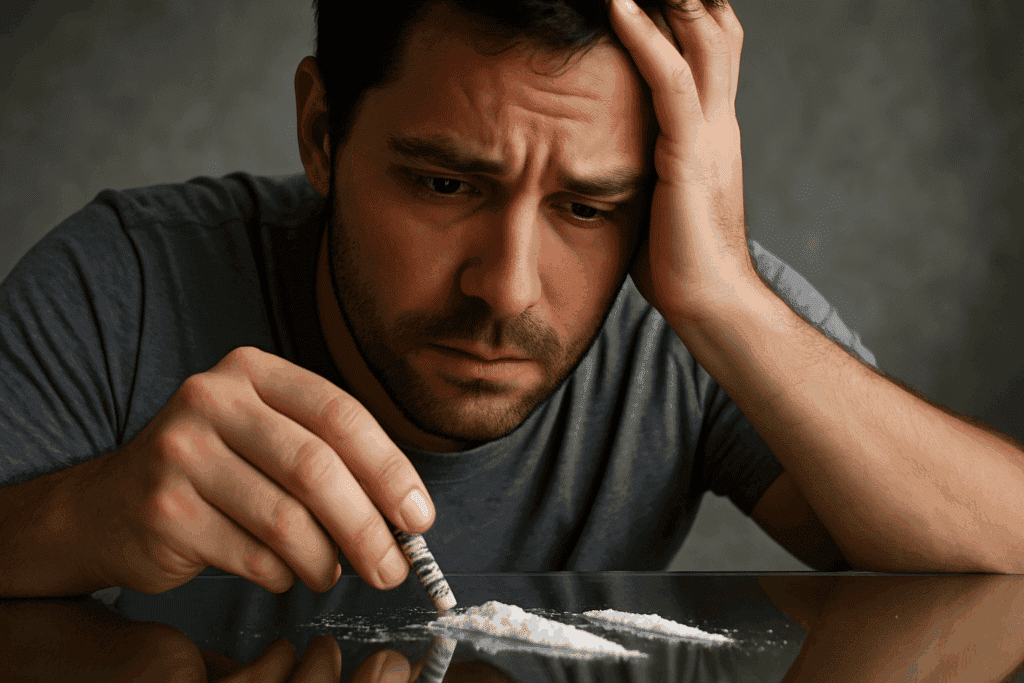
 Cocaine addiction and mental health challenges are deeply connected, and when they occur together, the risk of relapse increases significantly. Many people assume relapse is only about willpower or temptation, but the reality is far more complex. Emotional health, trauma, anxiety, and depression all play a major role in recovery stability. At CocaineRelapse.com, we provide compassionate, individualized addiction recovery services, mental health treatment, inpatient and outpatient care, and holistic support designed to address both addiction and the underlying mental health conditions that often drive it.
Understanding this connection is essential for preventing relapse and building long term recovery.
The Link Between Mental Health and Cocaine Relapse
Cocaine directly affects the brain’s dopamine system, which controls pleasure, motivation, and reward. Over time, this disruption makes it harder for individuals to regulate emotions naturally. When mental health conditions are also present, the challenge becomes even greater.
Without proper treatment, emotional distress can quickly lead to cravings, impulsive thinking, and a return to substance use as a form of escape.
Why Co-Occurring Disorders Increase Risk
When addiction and mental health conditions exist together, it is known as a co-occurring disorder. This combination increases relapse risk because:
- Emotional regulation becomes more difficult
- Stress feels more overwhelming
- Coping skills may be underdeveloped or weakened
- Triggers are more frequent and intense
This is why integrated treatment is essential for long term recovery success.
Anxiety and Cocaine Relapse Risk
Anxiety is one of the most common mental health conditions linked to cocaine relapse. Cocaine use often temporarily masks feelings of anxiety, which can create a cycle of reliance.
How Anxiety Contributes to Relapse
Individuals struggling with anxiety may experience:
- Persistent worry or fear
- Restlessness and difficulty relaxing
- Physical symptoms such as rapid heartbeat or tension
- Overthinking and emotional overload
When anxiety becomes overwhelming, the brain may associate cocaine with temporary relief, increasing the risk of relapse if healthier coping tools are not in place.
Depression and Emotional Vulnerability in Recovery
Depression can significantly weaken motivation, energy levels, and emotional resilience. During recovery, this can make it harder to maintain structure and healthy routines.
Signs Depression May Increase Relapse Risk
- Loss of interest in daily activities
- Fatigue or low energy
- Feelings of hopelessness
- Withdrawal from support systems
- Difficulty maintaining recovery commitments
Without treatment, individuals may turn to substances in an attempt to escape emotional pain.
Trauma and Its Impact on Cocaine Relapse
Many individuals with cocaine addiction have experienced trauma. Trauma can include childhood adversity, emotional neglect, violence, or significant life stressors.
Why Trauma Triggers Relapse
Unresolved trauma can lead to:
- Emotional flashbacks
- Heightened stress responses
- Difficulty trusting others
- Strong emotional triggers linked to past experiences
Cocaine may be used as a way to numb emotional pain or avoid distressing memories, making trauma informed care a critical part of recovery.
Stress and Emotional Overload
Stress is one of the most immediate triggers for cocaine relapse. When mental health is not stable, even everyday stressors can feel overwhelming.
Common Stress Related Triggers
- Work pressure or financial concerns
- Relationship conflict
- Social isolation
- Major life transitions
Without healthy coping strategies, stress can quickly escalate into cravings and impulsive decisions.
Why Integrated Mental Health Treatment Is Essential
Treating addiction without addressing mental health often leads to incomplete recovery. Sustainable sobriety requires healing both the mind and the body.
Benefits of Integrated Treatment
Comprehensive mental health treatment helps individuals:
- Identify emotional triggers behind substance use
- Develop healthier coping mechanisms
- Improve emotional regulation skills
- Strengthen resilience during stressful situations
- Reduce the intensity of cravings
At CocaineRelapse.com, mental health care is a core part of every recovery plan because emotional stability is essential for long term success.
How Inpatient and Outpatient Care Support Mental Health Recovery
Different levels of care provide structured support depending on individual needs.
Inpatient Treatment for Stabilization
Inpatient care offers a safe and structured environment where individuals can focus entirely on healing. It is especially helpful for those experiencing severe mental health symptoms or repeated relapse.
Outpatient Treatment for Ongoing Support
Outpatient programs allow individuals to continue recovery while maintaining daily responsibilities. These programs include therapy, counseling, and relapse prevention planning.
Both options provide access to mental health professionals and recovery specialists.
Holistic and Faith Based Support for Emotional Healing
Mental health recovery is not only clinical. It is also emotional, physical, and spiritual. Holistic care helps restore balance in all areas of life.
Helpful Holistic Approaches
- Mindfulness and meditation practices
- Physical activity and movement therapy
- Nutrition and sleep support
- Journaling and emotional reflection
- Faith based or spiritual guidance
These practices help reduce stress and strengthen emotional resilience.
Conclusion: Healing Mental Health Is Key to Preventing Relapse
Mental health challenges are one of the most important factors influencing cocaine relapse risk. Anxiety, depression, trauma, and stress can all weaken recovery if they are not properly addressed. However, with the right support, individuals can build emotional strength and long term stability.
At CocaineRelapse.com, we provide compassionate addiction recovery services, mental health treatment, inpatient and outpatient care, and holistic support designed to treat the whole person, not just the addiction.
If you or someone you love is struggling with mental health challenges in recovery, reach out today. With the right care and guidance, lasting recovery is absolutely possible.