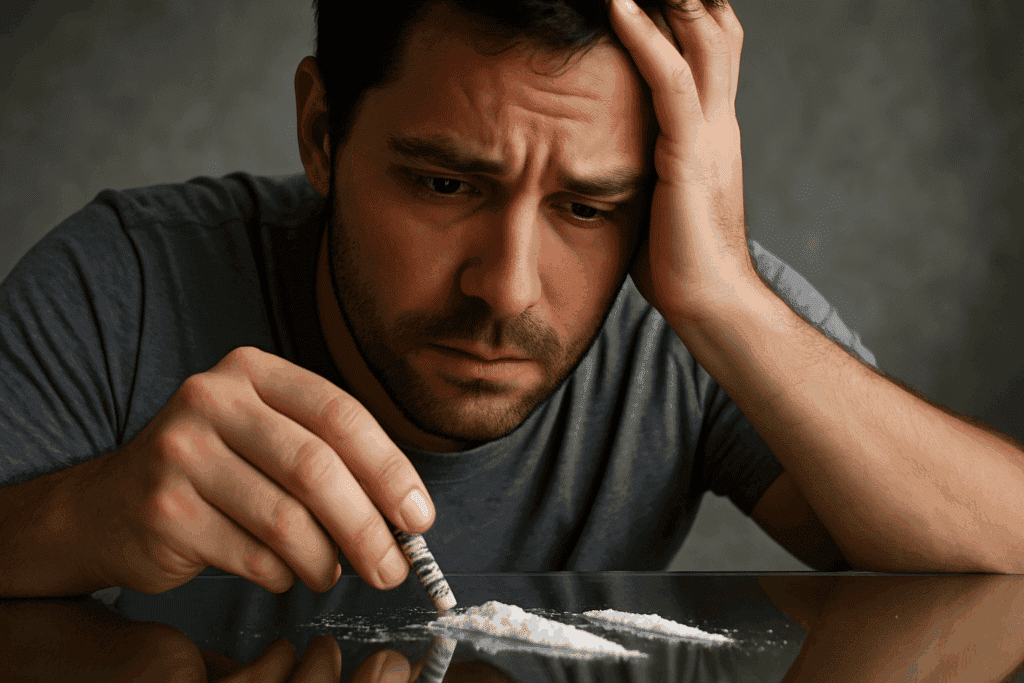
How Mental Health Impacts Cocaine Relapse and What You Can Do About It

Recovering from cocaine addiction involves much more than stopping drug use. True healing also requires addressing the emotional and psychological challenges that often fuel addiction in the first place. Many individuals who experience a cocaine relapse are not lacking motivation or commitment. Instead, they are struggling with untreated mental health conditions, unresolved trauma, chronic stress, or emotional pain. At CocaineRelapse.com, we believe lasting recovery comes from treating the whole person. Through compassionate addiction recovery services, comprehensive mental health treatment, inpatient and outpatient care, and holistic, faith based support, individuals can build a stronger foundation for lifelong recovery.

Understanding the connection between mental health and cocaine relapse is one of the most important steps toward preventing future setbacks and achieving lasting wellness.

The Connection Between Mental Health and Cocaine Addiction

Cocaine addiction and mental health are closely linked. Some people begin using cocaine to temporarily escape anxiety, depression, trauma, or overwhelming stress. Others develop mental health symptoms after prolonged cocaine use because the drug changes the brain’s chemistry and affects emotional regulation.

Regardless of which comes first, addiction and mental health often influence one another in ways that make recovery more challenging without professional support.

Why Mental Health Matters During Recovery

Recovery places new demands on emotional health. Without cocaine to numb difficult emotions, individuals must learn healthier ways to manage stress, disappointment, fear, and uncertainty.

When mental health conditions remain untreated, these emotional struggles can increase cravings and make relapse more likely.

Common Mental Health Challenges That Increase Relapse Risk

Several mental health conditions are frequently associated with cocaine relapse. Identifying and treating these challenges can significantly improve long term recovery outcomes.

Anxiety Disorders

Persistent anxiety can make everyday situations feel overwhelming. Racing thoughts, excessive worry, panic attacks, and constant tension may increase the desire to seek temporary relief through substance use.

Healthy anxiety management is an important part of relapse prevention.

Depression

Depression often reduces motivation, energy, and hope. Individuals may begin withdrawing from recovery activities, isolating themselves from loved ones, or losing confidence in their ability to remain sober.

Common signs include:

  • Ongoing sadness
  • Loss of interest in daily activities
  • Fatigue
  • Difficulty concentrating
  • Feelings of worthlessness

Professional treatment can help individuals manage these symptoms while strengthening recovery.

Trauma and Post Traumatic Stress

Many people living with cocaine addiction have experienced trauma. Emotional wounds that remain unresolved can continue to affect daily life through intrusive memories, heightened stress responses, and emotional distress.

Trauma informed therapy helps individuals process painful experiences safely while reducing the urge to use substances as a coping mechanism.

How Mental Health Challenges Contribute to Cocaine Relapse

Mental health struggles often increase relapse risk in subtle ways before substance use occurs.

Emotional Overload

Stressful situations become harder to manage when emotional coping skills are limited. Without healthy outlets, the brain may begin associating cocaine with relief from emotional discomfort.

Negative Thinking Patterns

Thoughts such as “I cannot do this,” “Recovery is too hard,” or “One time will not matter” can gradually weaken commitment to sobriety.

Learning to recognize and challenge these thoughts is an essential recovery skill.

Isolation

People struggling emotionally often withdraw from supportive relationships. Unfortunately, isolation reduces accountability and limits opportunities to receive encouragement during difficult moments.

What You Can Do to Protect Your Recovery

The good news is that mental health challenges can be managed with the right support. Recovery becomes stronger when emotional wellness receives the same attention as addiction treatment.

Seek Integrated Treatment

Integrated treatment addresses both substance use and mental health at the same time. Rather than treating these issues separately, clinicians develop personalized plans that recognize how closely they are connected.

Integrated care may include:

  • Individual therapy
  • Group counseling
  • Trauma informed treatment
  • Relapse prevention planning
  • Mental health evaluations
  • Family support services

This comprehensive approach helps individuals build healthier coping skills and greater emotional resilience.

Choose the Right Level of Care

Every recovery journey is unique. Some individuals benefit from intensive support, while others thrive with flexible treatment options.

Inpatient Treatment

Inpatient programs provide structured care in a safe environment where individuals can focus entirely on healing. This level of support is often recommended for those with significant mental health concerns or repeated relapse.

Outpatient Treatment

Outpatient programs allow individuals to continue working, attending school, or caring for family while participating in therapy and recovery services. Ongoing professional support helps reinforce healthy habits and coping strategies.

Strengthen Your Daily Mental Wellness

Healthy daily routines play an important role in protecting recovery.

Helpful habits include:

  • Maintaining consistent sleep schedules
  • Exercising regularly
  • Eating balanced meals
  • Practicing mindfulness or meditation
  • Staying connected with supportive friends and family
  • Attending therapy or recovery meetings consistently

These habits improve emotional stability and reduce vulnerability to stress.

The Benefits of Holistic and Faith Based Care

Healing involves more than managing symptoms. Holistic care supports physical, emotional, mental, and spiritual wellness.

Many individuals find strength through practices such as:

  • Mindfulness exercises
  • Yoga or physical movement
  • Nutrition counseling
  • Creative expression
  • Prayer and faith based support
  • Community involvement

These approaches complement evidence based treatment and encourage personal growth throughout recovery.

Recovery Is Stronger With Compassionate Support

One of the biggest obstacles to recovery is believing you must face challenges alone. Seeking help is not a sign of weakness. It is a sign of commitment to your health and future.

Professional guidance provides accountability, practical coping strategies, and encouragement during every stage of recovery.

Conclusion: Treating Mental Health Strengthens Long Term Recovery

Mental health and cocaine addiction are closely connected, which is why lasting recovery requires treating both together. Anxiety, depression, trauma, and chronic stress can all increase relapse risk, but they can also be effectively managed through comprehensive care.

At CocaineRelapse.com, we provide compassionate addiction recovery services, individualized mental health treatment, inpatient and outpatient care, and holistic, faith based support designed to help individuals heal completely.

If you or someone you love is struggling with cocaine addiction and mental health challenges, do not wait to seek help. With the right treatment and a personalized recovery plan, it is possible to overcome setbacks, strengthen emotional well being, and build a healthier future free from addiction.

Early Cocaine Relapse Warning Signs You Should Never Ignore

Recovery from cocaine addiction is a journey that requires ongoing commitment, support, and self awareness. While many people think relapse happens suddenly, it is usually a gradual process that begins long before cocaine is used again. Emotional changes, unhealthy thought patterns, and subtle behavioral shifts often appear weeks or even months before a physical relapse occurs. Recognizing these early warning signs can help individuals take action before a setback happens. At CocaineRelapse.com, we provide compassionate addiction recovery services, mental health treatment, inpatient and outpatient care, and holistic support that empowers individuals to identify relapse risks early and strengthen their long term recovery.

Understanding the warning signs of cocaine relapse is one of the most effective ways to protect the progress you have worked so hard to achieve.

Why Recognizing Early Warning Signs Matters

Relapse is not a sign of weakness or failure. It is often an indication that stress, emotional challenges, or unresolved issues are becoming difficult to manage. By recognizing these warning signs early, individuals can seek additional support before cravings become overwhelming.

Early intervention allows recovery plans to be adjusted, coping skills to be reinforced, and mental health concerns to be addressed before they lead to substance use.

Emotional Warning Signs of Cocaine Relapse

Emotional relapse is usually the first stage of the relapse process. During this phase, a person may not consciously think about using cocaine, but their emotional health begins to decline.

Increased Irritability and Mood Changes

One of the earliest warning signs is becoming more easily frustrated or emotionally reactive. Minor inconveniences may feel overwhelming, leading to anger, impatience, or sadness.

Other emotional warning signs include:

  • Persistent anxiety or worry
  • Feeling emotionally numb
  • Frequent mood swings
  • Loss of motivation
  • Difficulty coping with everyday stress

These emotional changes may seem minor at first, but they can gradually increase relapse risk if left unaddressed.

Withdrawing From Supportive Relationships

Recovery thrives on connection. When someone begins avoiding family members, friends, sponsors, or counselors, it may indicate they are struggling emotionally.

Isolation often reduces accountability and makes unhealthy thought patterns more difficult to challenge.

Mental Warning Signs That Should Never Be Ignored

Mental relapse develops when thoughts begin shifting toward substance use, even if no action has been taken.

Romanticizing Past Cocaine Use

One of the most common warning signs is remembering only the perceived positive effects of cocaine while minimizing the pain addiction caused.

This selective thinking can slowly weaken motivation for recovery.

Believing Recovery Is No Longer Necessary

Some individuals begin feeling overly confident after months of sobriety. They may decide they no longer need counseling, support groups, or recovery meetings.

Unfortunately, reducing recovery support often increases vulnerability to relapse.

Other mental warning signs include:

  • Thinking about former drug using friends
  • Imagining situations involving cocaine
  • Justifying future substance use
  • Feeling curious about using again

Behavioral Changes That Signal Increased Risk

Behavior often changes before physical relapse occurs. Paying attention to these changes can help identify problems early.

Neglecting Healthy Routines

Daily habits provide stability during recovery. Warning signs include:

  • Irregular sleep patterns
  • Poor eating habits
  • Missing therapy appointments
  • Avoiding recovery meetings
  • Ignoring personal responsibilities

Even small disruptions to healthy routines can create emotional instability over time.

Returning to High Risk Environments

Visiting places associated with previous cocaine use or reconnecting with people who continue to use substances significantly increases relapse risk.

Avoiding these environments is an important part of protecting recovery.

How Mental Health Affects Relapse Risk

Mental health conditions such as anxiety, depression, trauma, and chronic stress often contribute to cocaine relapse. When emotional struggles go untreated, cravings become more difficult to manage.

The Importance of Integrated Mental Health Treatment

Comprehensive treatment addresses both addiction and mental health together.

Integrated care helps individuals:

  • Recognize emotional triggers
  • Develop healthy coping strategies
  • Improve emotional regulation
  • Build resilience during stressful situations
  • Strengthen confidence in recovery

At CocaineRelapse.com, mental health treatment is an essential part of every individualized recovery plan.

How Professional Treatment Helps Prevent Relapse

Recovery needs often change over time. Continued professional support provides the guidance necessary to navigate new challenges.

Inpatient Treatment for Greater Stability

Inpatient care offers a structured environment where individuals receive intensive support while focusing completely on healing.

This option is especially beneficial for those experiencing repeated relapse or severe emotional distress.

Outpatient Treatment for Continued Recovery

Outpatient care provides flexibility while maintaining access to therapy, counseling, relapse prevention education, and accountability.

Individuals can continue working, attending school, or caring for family while receiving professional support.

Holistic and Faith Based Approaches Strengthen Recovery

Long term recovery involves healing the whole person. Holistic therapies support emotional, physical, and spiritual wellness.

Helpful approaches include:

  • Mindfulness and meditation
  • Physical fitness and movement
  • Nutrition counseling
  • Stress management techniques
  • Faith based guidance and spiritual support

These practices strengthen resilience and improve overall well being.

What to Do If You Notice Warning Signs

If you begin recognizing early warning signs, do not wait until cravings become stronger. Taking action early can prevent a full relapse.

Helpful next steps include:

  • Contact your therapist or treatment provider
  • Attend additional recovery meetings
  • Reconnect with supportive family members or friends
  • Review your relapse prevention plan
  • Consider whether a higher level of care would be beneficial

Seeking help early is a sign of strength and commitment to recovery.

Conclusion: Early Action Can Protect Lasting Recovery

The early warning signs of cocaine relapse are often emotional, mental, and behavioral changes that develop gradually over time. Learning to recognize these signals provides an opportunity to strengthen recovery before substance use occurs.

At CocaineRelapse.com, we offer compassionate addiction recovery services, mental health treatment, inpatient and outpatient care, and holistic support that helps individuals build lasting recovery through personalized care and evidence based strategies.

If you or someone you love is noticing the early signs of cocaine relapse, reach out today. With timely support, professional guidance, and a personalized treatment plan, it is possible to overcome setbacks, restore confidence, and continue moving toward a healthier, substance free future.

Why Cocaine Relapse Happens Even After Treatment and How to Prevent It

Completing cocaine addiction treatment is a major accomplishment, but recovery does not end when a program is finished. Some individuals experience relapse even after receiving professional care, and understanding why this happens is an important part of preventing it. Relapse does not mean treatment failed or that recovery is impossible. Instead, it often shows that additional support, continued healing, or adjustments to a recovery plan may be needed. At CocaineRelapse.com, we provide compassionate addiction recovery services, mental health treatment, inpatient and outpatient care, and holistic support designed to help individuals build lasting recovery beyond treatment.

Why Cocaine Relapse Can Happen After Treatment

Many people believe that completing treatment should eliminate the risk of relapse completely. However, addiction is a complex condition that affects the brain, emotions, behaviors, and relationships. Recovery requires ongoing attention and support, especially during stressful or challenging periods.

The Brain Needs Time to Heal

Cocaine changes the brain’s reward and motivation systems. Even after stopping cocaine use, the brain may continue to experience cravings, emotional triggers, and difficulty managing stress.

These changes can make certain situations feel overwhelming and increase vulnerability to relapse. Continued therapy, healthy routines, and recovery support help the brain develop healthier patterns over time.

Treatment May Not Address Every Underlying Issue

Addiction is often connected to deeper challenges such as trauma, anxiety, depression, or unresolved emotional pain. If these issues are not fully addressed, they can continue to create relapse risks.

Effective recovery requires treating the whole person, not only the substance use itself.

Common Reasons People Relapse After Cocaine Treatment

Relapse usually happens because multiple factors come together. Recognizing these risks can help individuals take action before a setback occurs.

Returning to Old Triggers

People, places, and situations connected to past cocaine use can create powerful emotional responses. Even after treatment, exposure to familiar triggers can increase cravings.

Examples include:

  • Spending time with people who still use substances
  • Returning to environments associated with cocaine use
  • Experiencing stressful situations without healthy coping tools

Lack of Continued Support

Recovery often requires ongoing connection. After leaving treatment, some individuals may stop attending therapy or support groups because they feel confident they no longer need help.

However, continued support provides accountability and encouragement during difficult moments.

Mental Health Challenges

Untreated mental health concerns are one of the most common contributors to relapse. Anxiety, depression, and trauma can make cravings feel stronger and reduce the ability to manage stress.

Integrated mental health treatment helps individuals understand emotional triggers and develop healthier ways to cope.

How to Prevent Cocaine Relapse After Treatment

Preventing relapse requires more than avoiding cocaine. It involves creating a lifestyle that supports emotional stability, personal growth, and long term recovery.

Continue Professional Recovery Support

Ongoing treatment can make a significant difference after completing a recovery program. Therapy, counseling, and relapse prevention planning help individuals maintain progress.

The Importance of Personalized Care

Every recovery journey is different. A personalized approach allows treatment providers to address specific challenges, triggers, and goals.

At CocaineRelapse.com, individualized treatment focuses on helping each person develop strategies that fit their unique recovery needs.

Strengthen Mental Health and Emotional Wellness

Mental health treatment plays a major role in preventing relapse. Learning how to manage emotions without returning to cocaine use is one of the most important recovery skills.

Helpful strategies include:

  • Practicing stress management techniques
  • Developing healthy coping skills
  • Addressing past trauma
  • Improving emotional awareness
  • Building confidence and resilience

Consider the Right Level of Continued Care

Some individuals need additional structure after treatment, especially if they have experienced repeated relapse or ongoing cravings.

Inpatient Care for Additional Stability

Inpatient treatment provides a structured environment with intensive support. It can help individuals focus fully on recovery while addressing addiction and mental health challenges.

Outpatient Care for Long Term Support

Outpatient treatment allows individuals to continue receiving therapy and guidance while managing daily responsibilities. It provides accountability while helping people apply recovery skills in everyday life.

Build Healthy Daily Habits

Daily habits create the foundation for lasting recovery. Consistency helps reduce stress and creates a sense of stability.

Important recovery habits include:

  • Maintaining a regular sleep schedule
  • Staying physically active
  • Eating balanced meals
  • Avoiding high risk situations
  • Staying connected with supportive people
  • Practicing mindfulness or reflection

The Role of Holistic and Faith Based Support

Recovery involves more than physical sobriety. Healing also includes emotional, mental, and spiritual growth.

Holistic approaches can support recovery through:

  • Mindfulness practices
  • Physical wellness strategies
  • Emotional healing techniques
  • Spiritual or faith based guidance

These approaches help individuals build a stronger sense of balance and purpose.

Relapse Prevention Is an Ongoing Process

Preventing cocaine relapse is not about achieving perfection. It is about recognizing challenges early and responding with healthy choices and support.

A strong relapse prevention plan includes understanding personal triggers, maintaining treatment connections, and having a plan for difficult moments.

Conclusion: Treatment Is the Beginning of Recovery, Not the End

Cocaine relapse can happen even after treatment because addiction recovery is a lifelong process that involves continued healing and growth. A relapse does not erase progress. It is an opportunity to identify what needs more support and strengthen the recovery plan.

At CocaineRelapse.com, we provide compassionate addiction recovery services, mental health treatment, inpatient and outpatient care, and holistic support designed to help individuals maintain long term sobriety.

If you or someone you love is struggling after treatment or experiencing concerns about relapse, reaching out for support can be the first step toward rebuilding recovery. With the right care, lasting healing is possible.

Cocaine Relapse Explained: What It Really Means and How to Recover Stronger

A cocaine relapse can feel like a sudden collapse of progress, but in reality, it is often part of a much more complex recovery process. Relapse does not mean treatment has failed, and it does not mean recovery is over. Instead, it often signals that additional support, tools, or structure are needed. At CocaineRelapse.com, we understand how overwhelming this moment can feel, and we provide compassionate, individualized addiction recovery services, mental health treatment, inpatient and outpatient care, and holistic support designed to help individuals recover stronger after setbacks.

Understanding what relapse truly means is the first step toward rebuilding confidence and long term sobriety.

What Cocaine Relapse Really Means

Cocaine relapse is defined as returning to cocaine use after a period of abstinence. While this definition sounds simple, the reality is much more layered. Relapse is not a single event. It is a process that often begins long before substance use occurs.

Cocaine affects the brain’s reward system, stress response, and impulse control. Even after treatment, these changes can make individuals more vulnerable during times of emotional stress, environmental triggers, or mental health challenges.

Relapse Is a Process, Not a Failure

Most relapses follow a pattern that includes emotional, mental, and physical stages. Recognizing these stages helps individuals intervene earlier and reduce the risk of returning to use.

The Stages of Cocaine Relapse

Understanding the stages of relapse can help individuals recognize warning signs before substance use occurs.

Emotional Relapse

During emotional relapse, a person is not thinking about using cocaine yet, but their emotional health begins to decline. Common signs include:

  • Increased stress or anxiety
  • Isolation from supportive people
  • Poor sleep or irregular routines
  • Neglecting self care
  • Emotional numbness or irritability

Mental Relapse

Mental relapse involves internal conflict. The person may begin thinking about using again while also trying to stay in recovery.

Signs include:

  • Romanticizing past cocaine use
  • Thinking about people or places connected to use
  • Justifying “just one time” thinking
  • Cravings that come and go

Physical Relapse

This is the stage where cocaine use resumes. However, it is important to understand that this stage is usually the result of unaddressed earlier warning signs.

Why Cocaine Relapse Happens

Relapse does not happen without underlying causes. It is usually the result of multiple factors working together.

Common Contributing Factors

  • Unmanaged stress or emotional pressure
  • Co-occurring mental health conditions such as anxiety or depression
  • Exposure to triggers or high risk environments
  • Lack of structure or daily routine
  • Insufficient support systems
  • Overconfidence in early recovery

Understanding these triggers helps create stronger relapse prevention strategies.

The Role of Mental Health in Relapse

Mental health plays a central role in both addiction and recovery. Many individuals struggling with cocaine addiction also experience emotional or psychological challenges that increase relapse risk.

Why Integrated Treatment Matters

When addiction and mental health conditions are treated together, recovery outcomes improve significantly. Integrated care helps individuals:

  • Identify emotional triggers
  • Develop healthier coping skills
  • Improve emotional regulation
  • Build resilience during stressful situations

At CocaineRelapse.com, mental health treatment is a core part of recovery because emotional stability is essential for long term success.

How to Recover Stronger After a Cocaine Relapse

Recovery after relapse is not about starting over. It is about building forward with more awareness and stronger support.

Step 1: Reconnect With Support Immediately

Reaching out for help is the most important first step. Isolation can deepen relapse patterns, while connection helps restore stability.

Step 2: Reassess Your Treatment Plan

After a relapse, it is often necessary to adjust the recovery approach. This may include more structured care, additional therapy, or increased support.

Step 3: Consider Inpatient or Outpatient Care

  • Inpatient care provides 24 hour structured support in a safe environment, ideal for stabilization and intensive recovery work
  • Outpatient care offers flexible treatment while maintaining daily responsibilities and ongoing therapy support

Both options can be tailored to individual needs.

Step 4: Rebuild Daily Structure

Consistency helps reduce emotional instability and cravings. Focus on:

  • Regular sleep and meals
  • Daily therapy or support engagement
  • Physical activity
  • Healthy routines and boundaries

Step 5: Strengthen Holistic Healing Practices

Recovery is strongest when it supports the whole person. Holistic approaches can include:

  • Mindfulness and grounding exercises
  • Exercise and physical wellness
  • Nutrition and sleep improvement
  • Spiritual or faith based support

Moving Forward With Compassion, Not Shame

One of the most important parts of recovery after relapse is self compassion. Shame often prevents people from seeking help, but relapse is not a moral failure. It is a sign that more support is needed.

Recovery is still possible, and many individuals go on to build stronger sobriety after experiencing setbacks.

Conclusion: Recovery Can Be Stronger After Relapse

Cocaine relapse is not the end of recovery. It is a moment that highlights where support, structure, or healing needs to be strengthened. With the right treatment and guidance, individuals can recover, rebuild, and move forward with greater stability and awareness.

At CocaineRelapse.com, we provide compassionate addiction recovery services, mental health treatment, inpatient and outpatient care, and holistic support designed to help individuals recover stronger after relapse and build lasting sobriety.

If you or someone you love is struggling after a cocaine relapse, reach out today. With the right help, recovery can become stronger than before.

Relapse Doesn’t Mean Failure: Rebuilding Stronger After Cocaine Addiction Setbacks

A cocaine relapse can feel like a major setback, but it does not define your recovery or erase the progress you have already made. In fact, many people discover that relapse becomes a turning point that leads to deeper insight, stronger coping skills, and more effective treatment. At CocaineRelapse.com, we provide compassionate, individualized addiction recovery services, mental health treatment, inpatient and outpatient care, and holistic support designed to help individuals rebuild after setbacks and move forward with lasting stability.

Recovery is not about perfection. It is about learning, adjusting, and continuing the journey with the right support.

Understanding Why Relapse Happens in Cocaine Recovery

Relapse is a common part of many recovery journeys, especially in the early stages. Cocaine changes how the brain processes reward, stress, and motivation, which means cravings and emotional triggers can return unexpectedly.

Rather than viewing relapse as failure, it is more accurate to see it as a signal. It indicates that something in the recovery plan needs more attention, structure, or emotional support.

Common Factors That Lead to Relapse

Several key factors often contribute to cocaine relapse:

  • Unmanaged stress or emotional overwhelm
  • Exposure to triggers such as people, places, or memories
  • Co-occurring mental health conditions
  • Lack of structure or daily routine
  • Social isolation or reduced support systems

Understanding these triggers is the first step toward rebuilding stronger recovery foundations.

The Emotional Impact of Relapse

After a relapse, it is common to experience shame, guilt, frustration, or disappointment. These emotions can make it harder to reach out for help, but they are a normal part of the recovery process.

Why Self Compassion Matters

Self compassion is essential because shame often keeps people stuck in the cycle of relapse. When individuals are able to approach themselves with understanding instead of judgment, they are more likely to re-engage with treatment and continue recovery.

Recovery is not a straight path. It is a process that includes setbacks, learning, and growth.

Rebuilding Recovery After a Setback

Getting back on track after a relapse involves more than stopping substance use. It requires rebuilding structure, support, and emotional stability.

Reconnect With Professional Support

One of the most important steps is reaching out for professional help. Addiction recovery services provide guidance, structure, and tools to help individuals stabilize and regain control.

Address Underlying Mental Health Challenges

Mental health conditions such as anxiety, depression, or trauma often play a major role in relapse. Without addressing these conditions, long term recovery becomes more difficult.

Integrated mental health treatment helps individuals:

  • Identify emotional triggers
  • Develop healthier coping strategies
  • Improve emotional regulation
  • Build long term resilience

Choosing the Right Level of Care After Relapse

Recovery after relapse may require a different level of support than before. Both inpatient and outpatient care can play an important role.

Inpatient Care for Stabilization and Focus

Inpatient treatment provides a structured, supportive environment where individuals can focus entirely on recovery. This level of care is especially helpful for those experiencing repeated relapse or intense cravings.

Outpatient Care for Continued Growth

Outpatient programs allow individuals to continue recovery while maintaining daily responsibilities. Therapy sessions, counseling, and support groups help reinforce recovery skills in real world environments.

Both approaches can be tailored to individual needs and recovery goals.

Building Stronger Coping Skills for Long Term Recovery

After a relapse, it is important to strengthen coping strategies to reduce the risk of future setbacks.

Healthy Daily Practices

  • Maintaining a consistent daily routine
  • Attending therapy or support groups regularly
  • Engaging in physical activity
  • Practicing mindfulness or grounding techniques
  • Staying connected with supportive people

These habits help stabilize emotions and reduce vulnerability to triggers.

The Role of Holistic and Faith Based Support

Recovery involves more than physical abstinence. It includes emotional, mental, and spiritual healing as well.

Holistic approaches support long term recovery by focusing on the whole person.

Examples of Holistic Support

  • Mindfulness and meditation practices
  • Exercise and movement therapy
  • Nutrition and sleep improvement
  • Journaling and emotional reflection
  • Faith based guidance and spiritual connection

These practices help individuals rebuild balance and purpose in their lives.

Moving Forward With Strength After Relapse

A relapse can feel discouraging, but it often becomes a powerful learning experience. It highlights what needs more support and provides an opportunity to rebuild recovery with greater awareness and stronger tools.

Every step taken after relapse is still progress.

Conclusion: Setbacks Are Not the End of Your Recovery

Relapse does not mean failure. It is part of many recovery journeys and often serves as a turning point toward deeper healing and stronger commitment. With the right support, individuals can recover, rebuild, and continue moving forward with confidence.

At CocaineRelapse.com, we offer compassionate addiction recovery services, mental health treatment, inpatient and outpatient care, and holistic support designed to help individuals rebuild after setbacks and achieve lasting recovery.

If you or someone you love has experienced a cocaine relapse, reach out today. With the right care and support, you can rebuild stronger and continue your path toward lasting healing.

How Mental Health Challenges Increase the Risk of Cocaine Relapse

Cocaine addiction and mental health challenges are deeply connected, and when they occur together, the risk of relapse increases significantly. Many people assume relapse is only about willpower or temptation, but the reality is far more complex. Emotional health, trauma, anxiety, and depression all play a major role in recovery stability. At CocaineRelapse.com, we provide compassionate, individualized addiction recovery services, mental health treatment, inpatient and outpatient care, and holistic support designed to address both addiction and the underlying mental health conditions that often drive it.

Understanding this connection is essential for preventing relapse and building long term recovery.

The Link Between Mental Health and Cocaine Relapse

Cocaine directly affects the brain’s dopamine system, which controls pleasure, motivation, and reward. Over time, this disruption makes it harder for individuals to regulate emotions naturally. When mental health conditions are also present, the challenge becomes even greater.

Without proper treatment, emotional distress can quickly lead to cravings, impulsive thinking, and a return to substance use as a form of escape.

Why Co-Occurring Disorders Increase Risk

When addiction and mental health conditions exist together, it is known as a co-occurring disorder. This combination increases relapse risk because:

  • Emotional regulation becomes more difficult
  • Stress feels more overwhelming
  • Coping skills may be underdeveloped or weakened
  • Triggers are more frequent and intense

This is why integrated treatment is essential for long term recovery success.

Anxiety and Cocaine Relapse Risk

Anxiety is one of the most common mental health conditions linked to cocaine relapse. Cocaine use often temporarily masks feelings of anxiety, which can create a cycle of reliance.

How Anxiety Contributes to Relapse

Individuals struggling with anxiety may experience:

  • Persistent worry or fear
  • Restlessness and difficulty relaxing
  • Physical symptoms such as rapid heartbeat or tension
  • Overthinking and emotional overload

When anxiety becomes overwhelming, the brain may associate cocaine with temporary relief, increasing the risk of relapse if healthier coping tools are not in place.

Depression and Emotional Vulnerability in Recovery

Depression can significantly weaken motivation, energy levels, and emotional resilience. During recovery, this can make it harder to maintain structure and healthy routines.

Signs Depression May Increase Relapse Risk

  • Loss of interest in daily activities
  • Fatigue or low energy
  • Feelings of hopelessness
  • Withdrawal from support systems
  • Difficulty maintaining recovery commitments

Without treatment, individuals may turn to substances in an attempt to escape emotional pain.

Trauma and Its Impact on Cocaine Relapse

Many individuals with cocaine addiction have experienced trauma. Trauma can include childhood adversity, emotional neglect, violence, or significant life stressors.

Why Trauma Triggers Relapse

Unresolved trauma can lead to:

  • Emotional flashbacks
  • Heightened stress responses
  • Difficulty trusting others
  • Strong emotional triggers linked to past experiences

Cocaine may be used as a way to numb emotional pain or avoid distressing memories, making trauma informed care a critical part of recovery.

Stress and Emotional Overload

Stress is one of the most immediate triggers for cocaine relapse. When mental health is not stable, even everyday stressors can feel overwhelming.

Common Stress Related Triggers

  • Work pressure or financial concerns
  • Relationship conflict
  • Social isolation
  • Major life transitions

Without healthy coping strategies, stress can quickly escalate into cravings and impulsive decisions.

Why Integrated Mental Health Treatment Is Essential

Treating addiction without addressing mental health often leads to incomplete recovery. Sustainable sobriety requires healing both the mind and the body.

Benefits of Integrated Treatment

Comprehensive mental health treatment helps individuals:

  • Identify emotional triggers behind substance use
  • Develop healthier coping mechanisms
  • Improve emotional regulation skills
  • Strengthen resilience during stressful situations
  • Reduce the intensity of cravings

At CocaineRelapse.com, mental health care is a core part of every recovery plan because emotional stability is essential for long term success.

How Inpatient and Outpatient Care Support Mental Health Recovery

Different levels of care provide structured support depending on individual needs.

Inpatient Treatment for Stabilization

Inpatient care offers a safe and structured environment where individuals can focus entirely on healing. It is especially helpful for those experiencing severe mental health symptoms or repeated relapse.

Outpatient Treatment for Ongoing Support

Outpatient programs allow individuals to continue recovery while maintaining daily responsibilities. These programs include therapy, counseling, and relapse prevention planning.

Both options provide access to mental health professionals and recovery specialists.

Holistic and Faith Based Support for Emotional Healing

Mental health recovery is not only clinical. It is also emotional, physical, and spiritual. Holistic care helps restore balance in all areas of life.

Helpful Holistic Approaches

  • Mindfulness and meditation practices
  • Physical activity and movement therapy
  • Nutrition and sleep support
  • Journaling and emotional reflection
  • Faith based or spiritual guidance

These practices help reduce stress and strengthen emotional resilience.

Conclusion: Healing Mental Health Is Key to Preventing Relapse

Mental health challenges are one of the most important factors influencing cocaine relapse risk. Anxiety, depression, trauma, and stress can all weaken recovery if they are not properly addressed. However, with the right support, individuals can build emotional strength and long term stability.

At CocaineRelapse.com, we provide compassionate addiction recovery services, mental health treatment, inpatient and outpatient care, and holistic support designed to treat the whole person, not just the addiction.

If you or someone you love is struggling with mental health challenges in recovery, reach out today. With the right care and guidance, lasting recovery is absolutely possible.

The Hidden Warning Signs of Cocaine Relapse Most People Overlook

Cocaine relapse rarely happens without warning. In most cases, there are subtle emotional, mental, and behavioral changes that appear long before someone returns to use. The challenge is that these early signs are often overlooked or misunderstood, especially when life seems “mostly fine” on the surface. At CocaineRelapse.com, we understand how complex relapse can be, and we provide compassionate addiction recovery services, mental health treatment, inpatient and outpatient care, and holistic support designed to help individuals recognize risks early and stay grounded in recovery.

Understanding these hidden warning signs can make a critical difference in preventing relapse and protecting long term sobriety.

Why Cocaine Relapse Warning Signs Are Easy to Miss

Relapse is not usually a sudden decision. It is a gradual process that develops as emotional pressure builds and coping skills are strained. Because recovery can bring periods of stability, individuals may assume they are no longer at risk.

However, cocaine affects the brain’s reward system, stress response, and impulse control. This means that even small emotional shifts can slowly increase vulnerability without being immediately obvious.

The Importance of Early Awareness

Recognizing early warning signs allows for timely intervention. When addressed early, many relapses can be prevented entirely through therapy, support, and structured care.

Hidden Emotional Warning Signs

Emotional changes are often the first indicators that someone may be at risk of relapse, but they are frequently dismissed as normal stress.

Subtle Emotional Shifts to Watch For

Some overlooked emotional warning signs include:

  • Feeling emotionally numb or disconnected
  • Increased frustration over small issues
  • Difficulty feeling motivation or purpose
  • Sudden loss of interest in recovery activities
  • Mild but persistent feelings of sadness or anxiety

These emotional changes may seem minor at first, but they can build over time and increase relapse vulnerability.

Mental Warning Signs That Often Go Unnoticed

Mental relapse begins long before physical use occurs. It involves changes in thought patterns that slowly shift toward old behaviors.

Common but Overlooked Thought Patterns

  • Romanticizing past cocaine use or minimizing its consequences
  • Thinking “just once” would not be harmful
  • Comparing current stress to past drug use as a solution
  • Increasing curiosity about places or people linked to use
  • Mentally rehearsing scenarios involving substance use

These thoughts do not always feel dangerous at first, but they can gradually weaken recovery commitment.

Behavioral Changes That Signal Increased Risk

Behavior often reveals relapse risk even when emotions and thoughts are hidden.

Subtle Behavioral Shifts

  • Skipping therapy sessions or support meetings
  • Withdrawing from supportive relationships
  • Spending more time alone without structure
  • Returning to old routines or environments
  • Neglecting sleep, nutrition, or self care

These patterns often reflect internal struggles that have not yet been fully addressed.

The Role of Mental Health in Hidden Relapse Signs

Many individuals in recovery also face underlying mental health conditions such as anxiety, depression, or unresolved trauma. When these conditions are not properly treated, they can quietly increase relapse risk.

Why Integrated Treatment Matters

Mental health treatment is essential because it helps individuals:

  • Recognize emotional triggers before they escalate
  • Develop healthier coping strategies
  • Improve emotional regulation and stability
  • Reduce the intensity of cravings and impulsive thoughts

Without addressing mental health, relapse warning signs often remain hidden until they become more severe.

How Inpatient and Outpatient Care Help Prevent Relapse

Professional treatment provides structure and support that helps identify warning signs early.

Inpatient Care for Deeper Stabilization

Inpatient treatment offers a highly structured environment where individuals receive 24 hour support. This setting helps remove external triggers and allows for focused emotional and psychological healing.

Outpatient Care for Ongoing Support

Outpatient programs provide continued therapy and accountability while allowing individuals to maintain daily responsibilities. This helps reinforce recovery skills in real world situations.

Both levels of care integrate addiction treatment, mental health support, and holistic healing approaches.

Holistic and Faith Based Support in Early Prevention

Holistic care strengthens recovery by supporting emotional and physical balance. Faith based support can also provide meaning, purpose, and connection, which are powerful protective factors in recovery.

Helpful practices include:

  • Mindfulness and grounding techniques
  • Regular physical activity
  • Healthy nutrition and sleep routines
  • Spiritual reflection or prayer
  • Stress management strategies

These tools help stabilize mood and reduce vulnerability to relapse.

When to Seek Help

If any of these hidden warning signs begin to appear, it is important to seek support early. Waiting until cravings become overwhelming or behaviors escalate makes recovery more difficult.

Reaching out for help is a proactive step, not a sign of failure.

Conclusion: Awareness Can Protect Your Recovery

Cocaine relapse rarely happens without warning. It often begins with subtle emotional, mental, and behavioral shifts that are easy to miss but important to recognize. With awareness, support, and early intervention, relapse can often be prevented.

At CocaineRelapse.com, we provide compassionate addiction recovery services, mental health treatment, inpatient and outpatient care, and holistic support designed to help individuals recognize early warning signs and stay on track in recovery.

If you or someone you love is noticing these subtle changes, reach out today. Early support can make all the difference in protecting recovery and building lasting stability.

What to Do After a Cocaine Relapse: A Step-by-Step Guide to Restarting Recovery

A cocaine relapse can feel like a heavy setback, but it does not erase the progress you have already made. Recovery is not a straight path, and many people experience moments where they need to pause, reassess, and rebuild. What matters most is what you do next. At CocaineRelapse.com, we provide compassionate, individualized addiction recovery services, mental health treatment, inpatient and outpatient care, and holistic support designed to help individuals restart recovery with clarity, structure, and hope.

This guide offers practical, step-by-step actions to help you regain control and move forward after a relapse.

Step 1: Pause and Stop the Cycle Immediately

The first and most important step after a cocaine relapse is to stop further use as soon as possible. Continuing use can intensify cravings, emotional distress, and physical risk.

Create Immediate Safety

Focus on stabilizing your environment. This may include:

  • Moving away from places where cocaine is available
  • Avoiding people connected to past use
  • Ensuring you are not alone if cravings feel overwhelming

Even small changes in environment can reduce risk and help interrupt the relapse cycle.

Step 2: Reach Out for Support Right Away

Isolation is one of the strongest drivers of continued substance use after relapse. Reaching out for help is not a weakness. It is a critical recovery step.

Who to Contact

Consider reaching out to:

  • A trusted friend or family member
  • A sponsor or support group member
  • A licensed addiction counselor
  • A treatment provider or recovery center

Talking openly helps reduce shame and creates accountability, which is essential in early recovery stabilization.

Step 3: Reassess Your Recovery Needs

After a relapse, it is important to take an honest look at what may need to change in your recovery plan. Relapse often signals that additional structure, support, or treatment is required.

Ask Yourself Key Questions

  • Were stress or emotions becoming overwhelming before relapse
  • Were therapy or support meetings consistent
  • Were there unresolved mental health challenges
  • Was the environment supportive of sobriety

Answering these questions helps guide the next steps in treatment.

Step 4: Reconnect With Professional Treatment

Professional support is one of the most effective ways to restart recovery after a relapse. Addiction recovery services provide structure, guidance, and evidence based tools to help individuals regain stability.

Mental Health Treatment Matters

Cocaine relapse is often linked to underlying mental health challenges such as anxiety, depression, or trauma. Addressing these issues is essential for long term recovery success.

Integrated mental health treatment helps individuals:

  • Understand emotional triggers
  • Build healthier coping skills
  • Manage cravings more effectively
  • Strengthen emotional resilience

Step 5: Choose the Right Level of Care

Depending on your situation, different levels of treatment may be appropriate.

Inpatient Care for Stabilization

Inpatient treatment provides 24 hour structured support in a safe environment. It may be the right choice if:

  • Cravings feel intense or unmanageable
  • There have been repeated relapses
  • A stable or supportive environment is not available

Outpatient Care for Continued Recovery

Outpatient treatment allows individuals to receive therapy and support while continuing daily responsibilities. It is often used after inpatient care or when relapse risk is lower.

Both options focus on rebuilding structure and reinforcing recovery skills.

Step 6: Rebuild Daily Structure and Healthy Habits

After a relapse, routines often break down. Restoring structure is essential for emotional stability and relapse prevention.

Focus on Simple Daily Foundations

  • Maintain consistent sleep and wake times
  • Eat regular, balanced meals
  • Attend therapy or support sessions
  • Incorporate light exercise or movement
  • Limit exposure to high risk environments

These habits help restore balance to both mind and body.

Step 7: Use Holistic and Faith Based Support

Recovery is not only clinical. It is also emotional, physical, and spiritual. Holistic care helps rebuild the whole person.

Helpful Holistic Practices

  • Mindfulness or meditation
  • Breathing and grounding techniques
  • Nutrition and hydration support
  • Exercise and physical activity
  • Faith based reflection or spiritual support

These practices strengthen emotional regulation and reduce stress, both of which are key to preventing future relapse.

Step 8: Practice Self Compassion and Avoid Shame

One of the biggest barriers to restarting recovery is shame. However, relapse does not define you. It is a signal that more support is needed, not a sign of failure.

Self compassion helps you stay engaged in recovery instead of withdrawing from it. Every step forward still counts, even after a setback.

Conclusion: You Can Restart Recovery Today

A cocaine relapse can feel discouraging, but it is also an opportunity to rebuild recovery with stronger tools and deeper support. By taking immediate action, reaching out for help, and reconnecting with treatment, you can regain stability and move forward with confidence.

At CocaineRelapse.com, we offer compassionate addiction recovery services, mental health treatment, inpatient and outpatient care, and holistic support designed to help individuals restart recovery after relapse. Our approach is personalized, supportive, and focused on long term healing.

If you or someone you love has experienced a relapse, do not wait. Reach out today. With the right guidance and care, recovery can begin again, one step at a time.

Understanding Cocaine Relapse: Why It Happens and How to Get Back on Track

Cocaine relapse can feel like a setback that wipes away progress, but in reality, it is often part of the broader recovery process. Many individuals experience relapse at some point while working toward sobriety, especially when underlying triggers and emotional challenges are not fully addressed. The important truth is that relapse does not mean failure. It means something in the recovery plan needs more support, structure, or care. At CocaineRelapse.com, we provide compassionate, individualized addiction recovery services that include mental health treatment, inpatient and outpatient care, and holistic approaches designed to help individuals understand relapse, recover from it, and get back on track with confidence.

What Cocaine Relapse Really Means

Cocaine relapse occurs when a person returns to cocaine use after a period of abstinence. While it can feel sudden, relapse is usually the result of a gradual buildup of emotional, mental, and environmental pressures. Cocaine affects the brain’s reward system, making cravings and impulses more powerful even after treatment.

Understanding relapse as a process rather than a single event helps reduce shame and encourages earlier intervention.

The Three Stages of Relapse

Relapse often develops in stages, and recognizing them early is key to prevention.

Emotional relapse happens when individuals begin neglecting self care and experiencing emotional instability. Signs may include isolation, anxiety, irritability, or poor sleep.

Mental relapse involves internal conflict. A person may start thinking about using again, romanticizing past cocaine use, or justifying risky situations.

Physical relapse is the actual return to cocaine use, which often follows unaddressed emotional and mental warning signs.

Why Cocaine Relapse Happens

Relapse is rarely caused by a single factor. It is usually a combination of biological, psychological, and environmental influences.

Common Triggers Behind Relapse

Several factors can increase vulnerability to relapse:

  • Stress, anxiety, or unresolved emotional pain
  • Exposure to people or places linked to past cocaine use
  • Co-occurring mental health conditions such as depression or trauma
  • Lack of daily structure or accountability
  • Overconfidence in early recovery stages
  • Social isolation or limited support systems

When these factors build up, cravings and impulsive thoughts can become harder to manage.

The Role of Mental Health in Cocaine Relapse

Mental health plays a major role in both addiction and recovery. Many individuals struggling with cocaine use also experience conditions such as anxiety disorders, depression, PTSD, or mood instability. Without proper treatment, these conditions can increase relapse risk.

Integrated Treatment for Stronger Recovery

Addressing addiction and mental health together is essential. Integrated care helps individuals:

  • Understand emotional triggers behind substance use
  • Develop healthier coping mechanisms
  • Improve emotional regulation and stress response
  • Build long term psychological resilience

At CocaineRelapse.com, mental health treatment is a core part of recovery because lasting sobriety depends on emotional stability as much as physical abstinence.

How to Get Back on Track After a Cocaine Relapse

Recovering from relapse requires support, structure, and a renewed treatment approach. The goal is not to start over, but to build forward with more awareness and stronger tools.

Reconnect With Professional Support

The first step after relapse is reaching out for help. Addiction recovery services provide immediate structure and guidance to stabilize recovery and prevent further use.

Consider the Right Level of Care

Different levels of treatment may be needed depending on individual circumstances.

Inpatient care offers 24 hour structured support in a safe environment, ideal for those with repeated relapse or intense cravings.

Outpatient care provides flexibility while maintaining access to therapy, counseling, and accountability for those who can continue recovery while living at home.

Strengthen Daily Recovery Practices

Small, consistent habits make a major difference in recovery stability:

  • Attend therapy or support groups regularly
  • Build a structured daily routine
  • Avoid high risk environments and triggers
  • Practice mindfulness or stress reduction techniques
  • Stay connected to supportive people

Explore Holistic and Faith Based Healing

Recovery is most effective when it supports the whole person. Holistic approaches such as exercise, nutrition, mindfulness, and spiritual support help restore balance and strengthen emotional resilience.

Moving Forward With Compassion, Not Judgment

One of the most important parts of recovery after relapse is self compassion. Shame and guilt often make it harder to return to treatment, but relapse is not a reason to give up. It is a signal that more support is needed, not that recovery is impossible.

With the right care, individuals can rebuild confidence, repair routines, and continue moving toward long term sobriety.

Conclusion: Recovery Is Still Possible After Relapse

Cocaine relapse can feel discouraging, but it does not erase progress. It reveals where additional support is needed and creates an opportunity to strengthen recovery. With compassionate care, professional treatment, and a personalized plan, it is absolutely possible to regain stability and move forward.

At CocaineRelapse.com, we provide addiction recovery services, mental health treatment, inpatient and outpatient care, and holistic support designed to help individuals understand relapse and rebuild stronger recovery foundations. Our approach is centered on compassion, personalization, and long term healing.

If you or someone you love is struggling after a cocaine relapse, reach out today. With the right support, you can get back on track and continue building a healthier, more stable future.